

Essential Safety Measures for Working in Confined Spaces
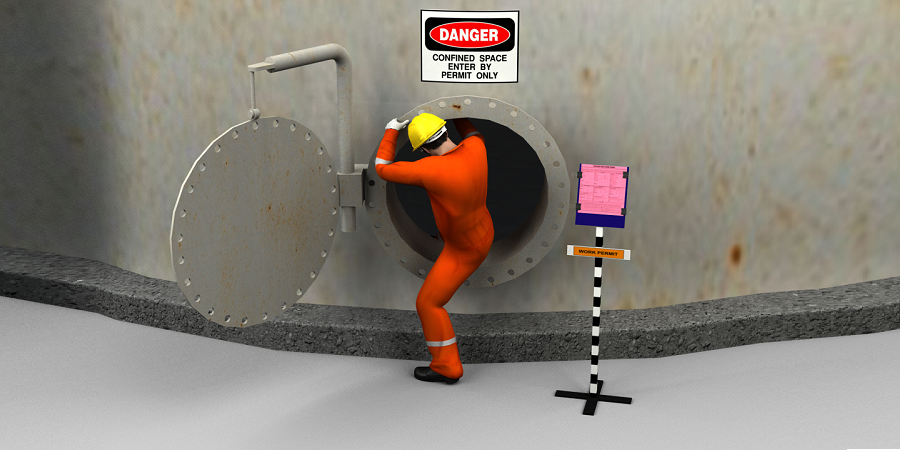
Confined spaces present unique hazards that require proper safety procedures. These environments include tanks, silos, pits, tunnels, or any enclosed areas not designed for continuous occupancy.
Risk Assessment:
Before entry, always perform a thorough risk assessment to identify potential hazards such as toxic gases, oxygen deficiency, or engulfment risks.
Atmospheric Testing:
Use calibrated gas detectors to check oxygen levels and detect harmful gases like carbon monoxide or hydrogen sulfide.
Ventilation:
Ensure proper ventilation is in place to reduce or eliminate hazardous atmospheres before and during entry.
Permit-to-Work System:
Implement a formal permit system that outlines specific precautions, entry conditions, and rescue plans.
Personal Protective Equipment (PPE):
Workers must wear appropriate PPE, including respiratory protection, safety harnesses, and protective clothing.
Standby Personnel:
A trained attendant should always be stationed outside the confined space to monitor activities and initiate rescue if needed.
Emergency Plan:
Develop and rehearse a rescue plan with the proper equipment, such as retrieval systems and first aid kits.
Confined space work is high-risk and demands strict adherence to safety protocols. Stay vigilant and never cut corners when it comes to confined space entry.
Comments (12)
This comment has been removed...

Amen!
Thanks
Nicely laid out... I would say the part many people still struggle with is identifying them in many cases. People still like to try and avoid calling a CSE a permit required when I would argue that about 95% of the CSE are permit required because as safety professionals we identify slips trips and falls as the leading cause of fatalities in the workplace.

I am looking for a confined space rescue plan that I can adopt. If anyone has a reliable template or resource, I would greatly appreciate your help!
This comment has been removed...

Having rescue personnel on stand by who are not the attendant is where many programs fail & rely solely on the attendant. Good points here.